x
Hazelwood-Counselling

Face to Face Therapy

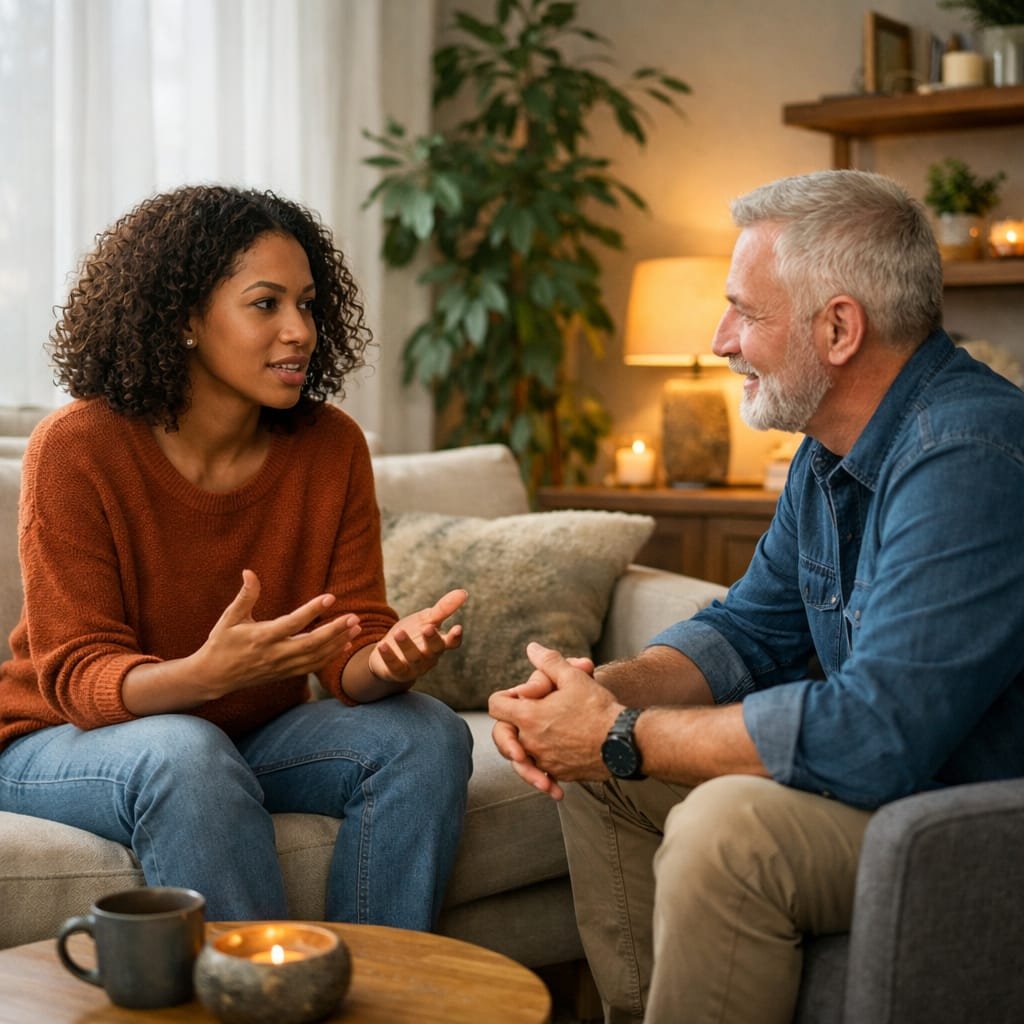
Individual face-to-face psychotherapy sessions involve a client meeting privately with a trained therapist in a safe, confidential, and supportive setting. During these sessions, the client is encouraged to explore their thoughts, emotions, behaviors, and personal experiences, while the therapist listens attentively, offers professional insight, and helps develop coping strategies.


The in-person format allows for strong therapeutic rapport, clear communication through verbal and non-verbal cues, and a personalised approach tailored to the client’s specific goals and challenges.

Walk And Talk Therapy

Walk-and-talk psychotherapy combines traditional therapeutic conversation with gentle physical movement in a natural outdoor setting, creating a relaxed and less formal environment for reflection and emotional expression. Walking side by side can reduce the intensity of face-to-face interaction, helping clients feel more comfortable discussing sensitive topics.


The integration of physical activity and nature can also reduce stress, improve mood, and enhance cognitive clarity, making sessions feel more energising and accessible while supporting both mental and physical wellbeing.

Online Therapy

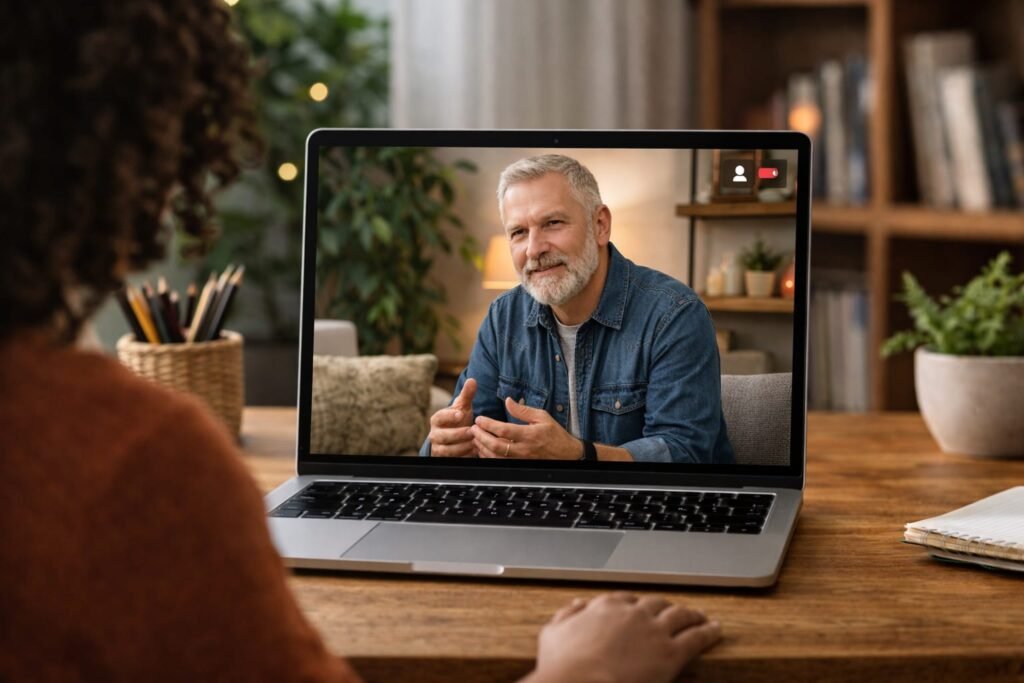
Online psychotherapy delivers professional mental health support through secure video, phone, or messaging platforms, allowing clients to engage in therapy from their own home or chosen environment. This format increases accessibility by removing geographical and mobility barriers, offers greater scheduling flexibility.

Many clients also find that receiving therapy in a familiar setting enhances comfort and openness, supporting consistent engagement and long-term therapeutic progress.

Couples Therapy Description here

Relationship counselling helps partners improve communication, resolve conflicts constructively, and better understand each other’s emotional needs. With the guidance of a trained therapist, couples can develop healthier patterns of interaction, rebuild trust, and strengthen emotional connection.


This process supports more resilient, respectful, and fulfilling relationships over time.

Group Facilitation Description here

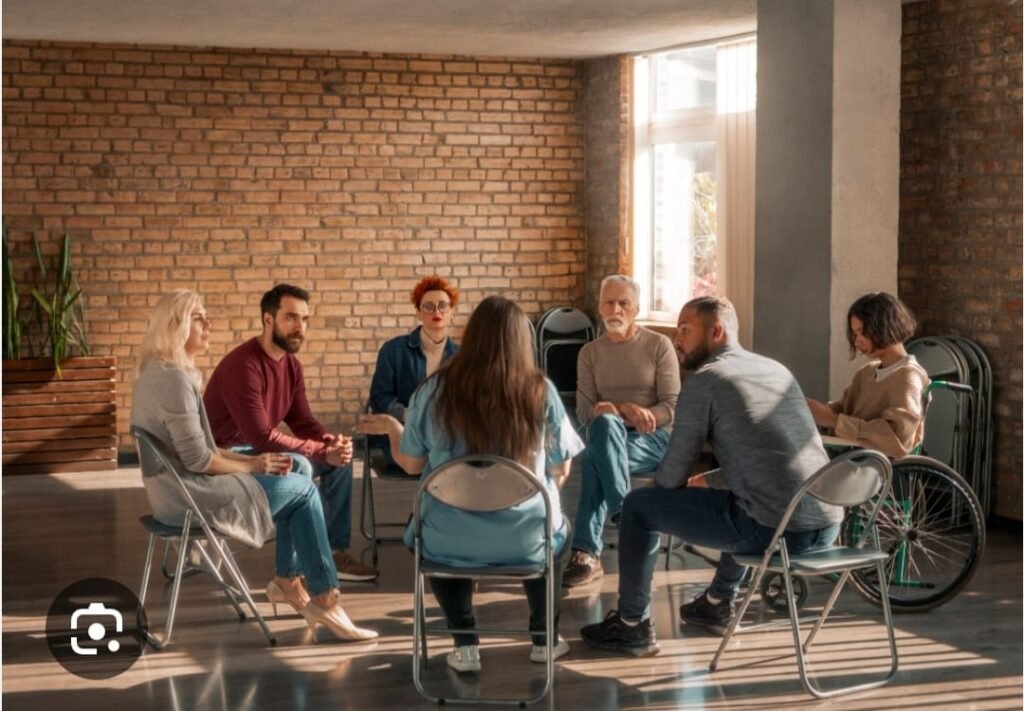
Group therapy brings together individuals facing similar challenges in a professionally facilitated, supportive environment that encourages shared learning and mutual understanding.


Participants benefit from hearing diverse perspectives, realising they are not alone in their experiences, and developing interpersonal and communication skills.

The group setting fosters a sense of belonging and accountability, while offering opportunities to practise new coping strategies in real time, often leading to increased confidence, resilience, and emotional growth.

Psychoeducation Groups

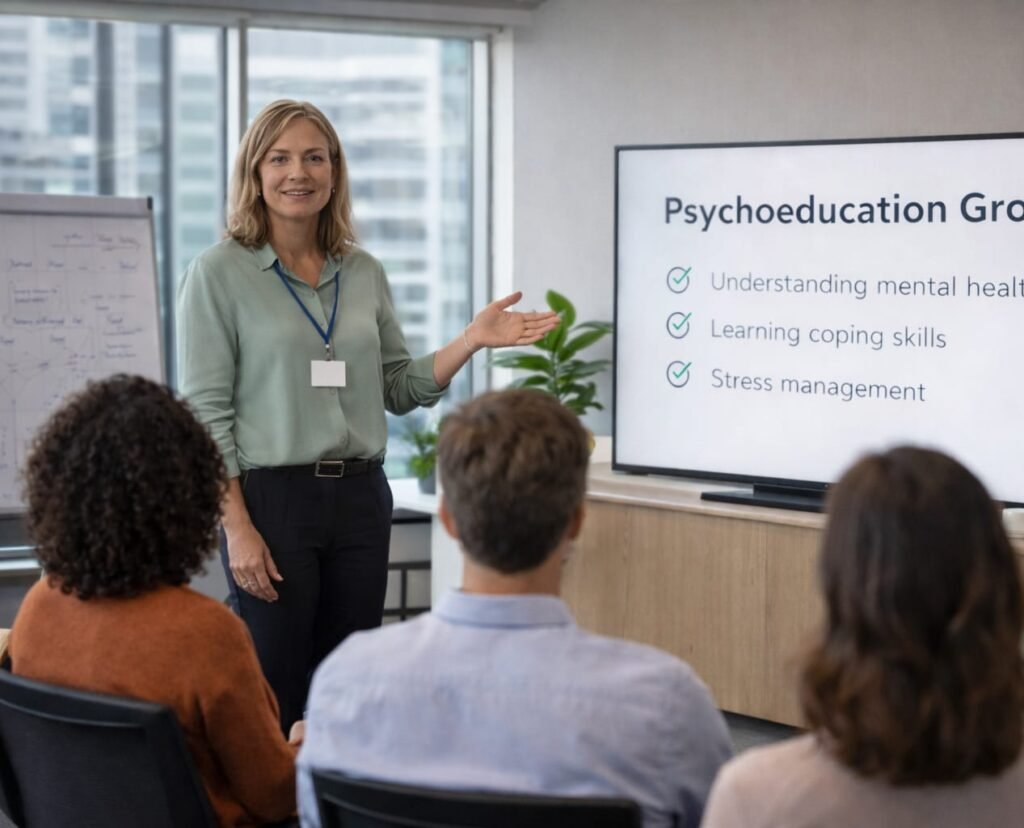
Psychoeducation groups provide participants with clear, practical information about mental health, emotions, and coping strategies in a supportive group setting. They help individuals better understand their experiences, reduce stigma, and build confidence in managing challenges.

By combining education with peer support, these groups promote empowerment, self-awareness, and long-term wellbeing.